Смартконтракти: як код змінює правила гри у фінансах
08.10.2025
Фінансові операції завжди грунтувалися на довірі. Ми підписували договори, зверталися до нотаріусів і посередників, щоб упевнитися, що умови угоди будуть виконані. Але технології поступово змінюють цю систему. Сьогодні для багатьох завдань достатньо коду – саме так працюють смартконтракти.
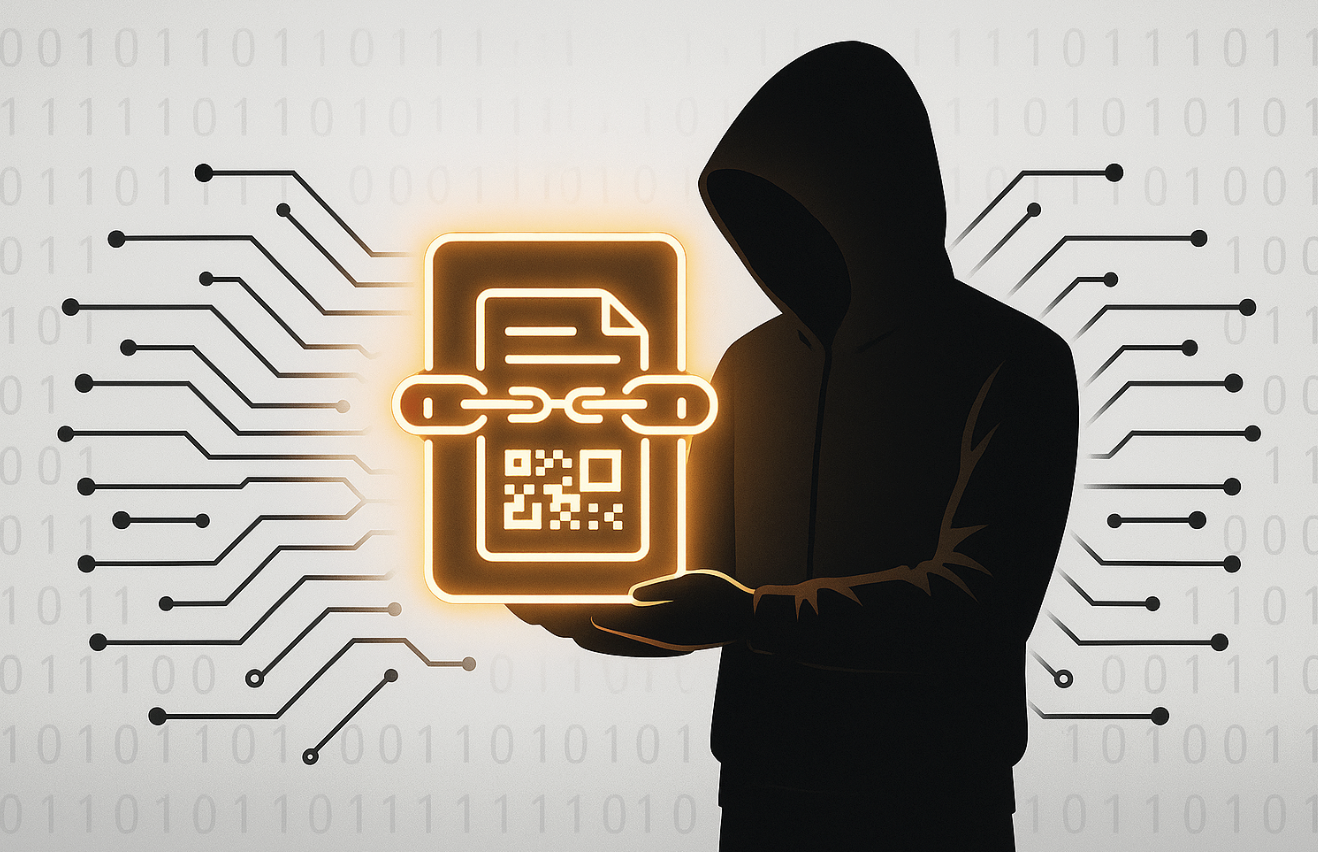
Смартконтракт – це програма, яка автоматично виконує умови угоди. Уявіть, що ви орендуєте квартиру. Замість паперового договору можна укласти цифровий контракт: гроші списуються з вашого гаманця лише після того, як ви отримуєте ключі, і навпаки. Усе відбувається автоматично, без третіх осіб і з мінімальним ризиком шахрайства.
Головна перевага смартконтрактів – прозорість. Код відкритий і його неможливо змінити після запуску, а отже, сторони заздалегідь знають усі правила. Це зменшує ймовірність конфліктів і пришвидшує процес. Там, де раніше потрібні були юристи чи посередники, тепер достатньо одного алгоритму.
Сьогодні такі рішення застосовуються не лише в оренді чи торгівлі. Їх використовують у страхуванні, банківських послугах, логістиці та навіть у голосуванні. Наприклад, страхова компанія може автоматично виплачувати компенсацію при настанні страхового випадку, якщо дані про нього підтверджуються офіційними джерелами.
Звісно, технології ще розвиваються, і смартконтракти мають свої обмеження. Але вже зараз вони демонструють, що майбутнє фінансів може бути простішим, швидшим і чеснішим. Код поступово стає тим самим «посередником», якому можна довіряти не менше, ніж традиційним організаціям.